
Introduction
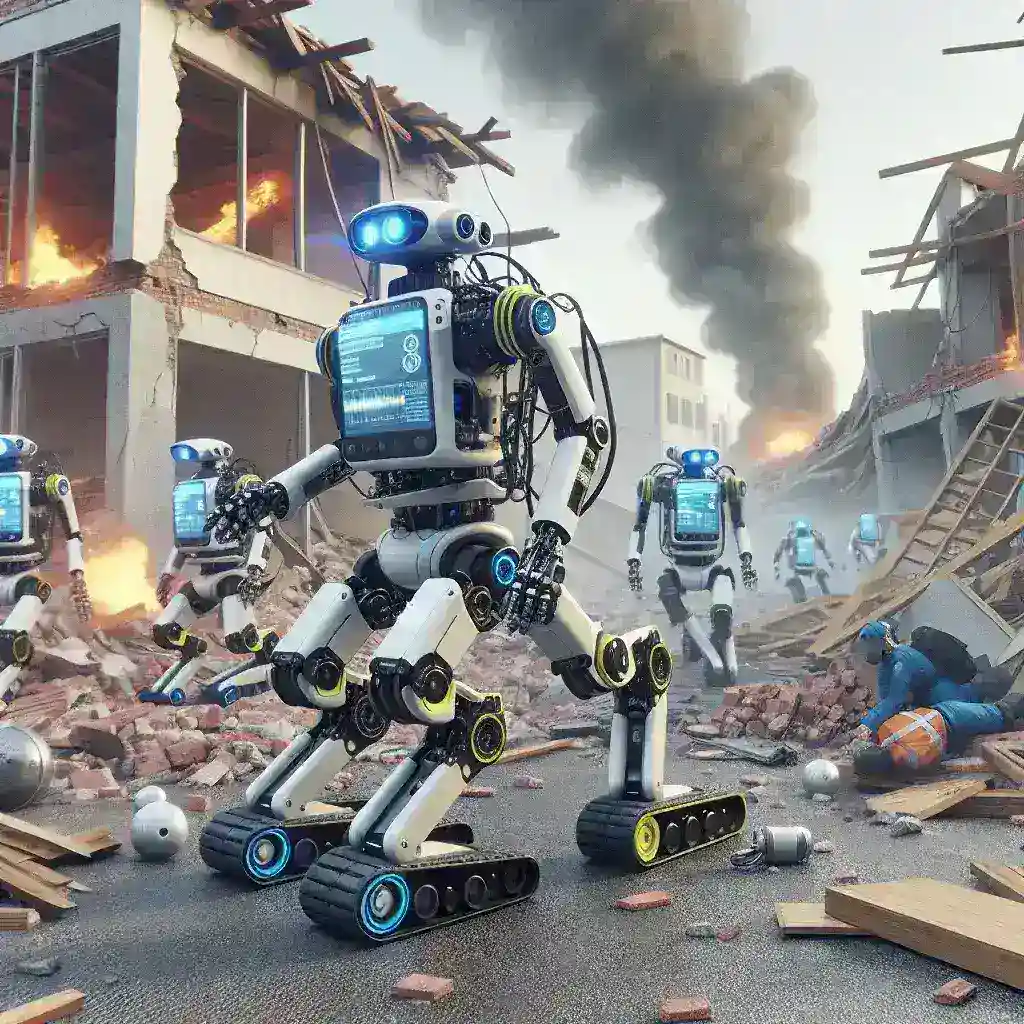
In an era where natural disasters and industrial accidents have become increasingly prevalent, the need for efficient and effective search and rescue operations has never been more critical. Disaster response robots are at the forefront of this evolution, offering innovative solutions to access hazardous environments that are often too dangerous for human responders. This article delves into the capabilities, applications, and future potential of these remarkable machines in improving disaster response efforts.
The Evolution of Disaster Response Technology
Historically, search and rescue operations relied on human intuition, bravery, and often, sheer luck. However, the introduction of technology has transformed these operations. From the first rescue dogs trained for search purposes to advanced robotics, the evolution has been remarkable.
Robots in Disaster Response
Disaster response robots were conceptualized to mitigate the risks faced by human rescuers. The adoption of robotics in this field began in earnest after major disasters such as the 9/11 attacks and the 2011 Fukushima nuclear disaster, prompting a surge in research and development. These robots are designed to navigate treacherous terrains, detect survivors, and provide real-time information to command units.
Types of Disaster Response Robots
Disaster response robots can be broadly categorized into the following types:
- Ground Robots: These robots traverse rough terrains and can be equipped with cameras, sensors, and tools to assess conditions and locate victims.
- Aerial Drones: Drones provide aerial surveillance and can cover large areas quickly, offering a bird’s-eye view of the disaster site.
- Underwater Robots: Useful in scenarios like floods or tsunamis, these robots can explore submerged environments to search for survivors or assess damage.
Key Features of Disaster Response Robots
Disaster response robots are equipped with numerous features that enhance their effectiveness in hazardous conditions:
- Mobility: Advanced mobility systems allow robots to navigate debris, climb over obstacles, and access confined spaces.
- Sensors: Equipped with thermal imaging, gas detection, and other sensory technologies, robots can detect heat signatures and hazardous materials.
- Communication: Real-time communication capabilities enable operators to receive information and guide the robots remotely.
Real-World Applications
Disaster response robots have been successfully deployed in various situations:
1. Earthquake Response
After an earthquake, robots can access collapsed structures to search for victims. For instance, the RoboCup Rescue initiative has demonstrated robots locating survivors trapped in debris.
2. Nuclear Accidents
In the aftermath of incidents like Fukushima, robots played a crucial role in assessing radiation levels and inspecting reactor conditions without putting human lives at risk.
3. Flood Rescue
Underwater drones are used to search submerged areas for victims, providing vital information to rescue teams working in perilous conditions.
Benefits of Using Disaster Response Robots
The integration of robots into disaster response operations has several advantages:
- Safety: Robots can operate in environments deemed too dangerous for human responders, reducing the risk of injury or loss of life.
- Efficiency: Robots can quickly cover large areas and provide accurate data, expediting search and rescue efforts.
- Data Collection: Robots gather critical information that can aid in decision-making and improve future disaster preparedness.
Challenges and Limitations
Despite their remarkable capabilities, disaster response robots face challenges:
- Technical Limitations: Robotics technology is still evolving, and there are limits to mobility, battery life, and sensor accuracy in extreme conditions.
- Cost: Advanced robotic systems can be expensive, potentially limiting their availability to smaller organizations or regions.
- Human-Robot Interaction: Effective communication and coordination between human responders and robots are crucial, and any misalignment can lead to inefficiency.
Future Predictions for Disaster Response Robots
The future of disaster response robots is promising:
- Increased Autonomy: Future robots may possess enhanced AI capabilities, allowing them to operate autonomously in complex scenarios.
- Swarm Technology: The possibility of deploying multiple robots in a coordinated manner could improve efficiency and effectiveness.
- Integration with Other Technologies: Drones and ground robots could work in tandem with augmented reality systems to provide responders with real-time visual data.
Conclusion
The advent of disaster response robots represents a significant leap forward in our ability to respond to emergencies. By safely accessing hazardous environments, these robots not only enhance the chances of successful search and rescue operations but also pave the way for a future where technology and humanity work hand-in-hand to save lives. As research and innovation continue to drive this field, we can expect to see even more sophisticated and effective solutions emerging to meet the challenges posed by disasters.
Call to Action
As we face increasing challenges from natural disasters and emergencies, it is crucial to support research and development in disaster response technology. Engaging with organizations dedicated to this cause can help ensure that we are better prepared for the inevitable disasters of the future.