
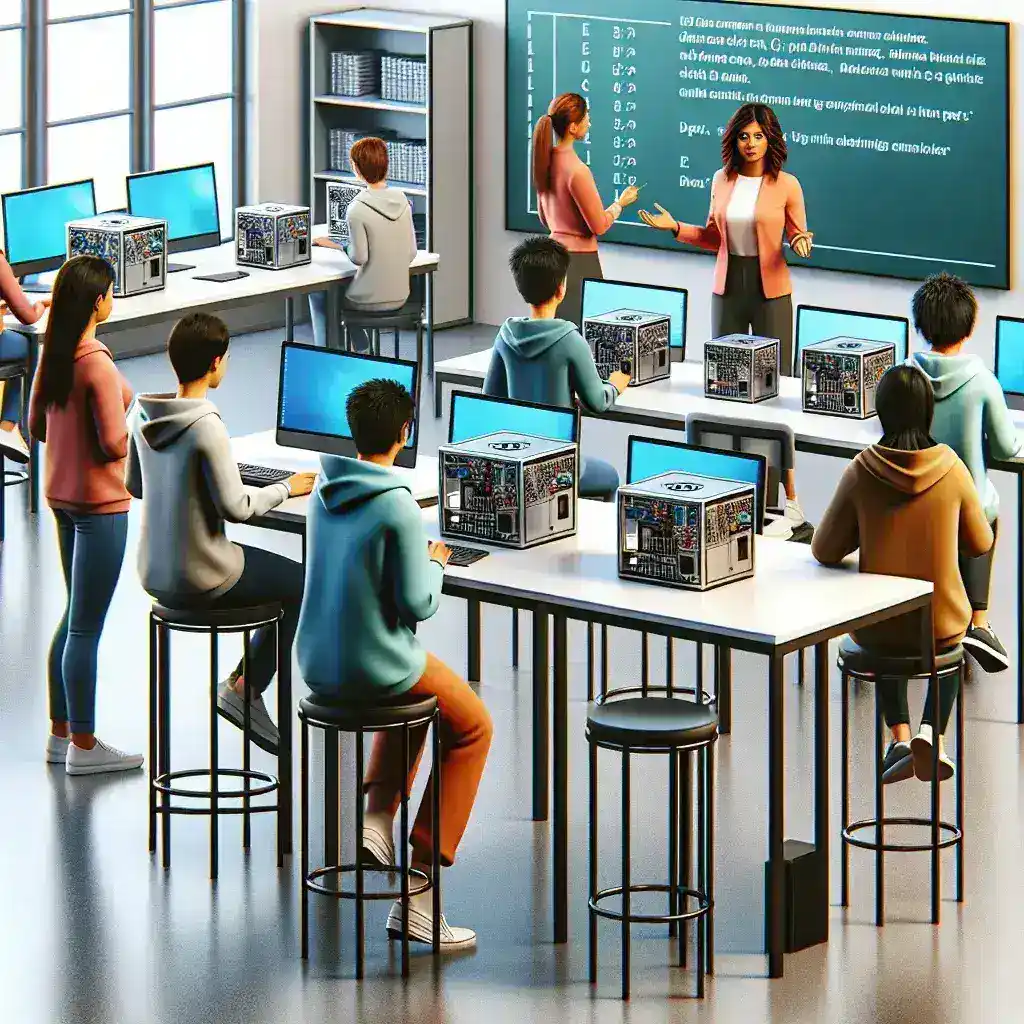
Introduction to Dell’s Innovative Solution
In a world where technology is rapidly evolving, educational institutions are constantly seeking ways to integrate advanced tools to enhance learning experiences. Dell has stepped up to the challenge by introducing a cutting-edge solution: modular mini-PCs designed specifically for classroom labs. These mini-PCs are not just compact but are engineered to foster collaboration, creativity, and efficient learning.
What are Modular Mini-PCs?
Modular mini-PCs are versatile computing devices that offer flexibility in configuration and scalability. Unlike traditional desktop computers, these mini-PCs allow educators to customize hardware components according to specific classroom needs. This adaptability makes them an optimal choice for diverse learning environments.
Key Features of Dell’s Modular Mini-PCs
- Compact Design: Dell’s mini-PCs are designed to save space, making them ideal for classrooms where desk space may be limited.
- Customizable Components: Educators can easily upgrade components such as RAM, storage, and graphics cards, ensuring the technology stays current with educational demands.
- Energy Efficiency: With a focus on sustainability, these PCs consume less power compared to traditional desktops, reducing the overall carbon footprint of educational institutions.
- Enhanced Connectivity: Equipped with multiple ports and wireless options, these mini-PCs facilitate seamless connections with other devices and networks.
- Robust Security Features: Dell has integrated advanced security measures to protect sensitive student data and enhance overall cybersecurity.
Historical Context
The introduction of modular mini-PCs marks a significant shift in how educational institutions approach technology. Historically, classrooms relied on bulky desktop computers that often limited mobility and flexibility. As education began to embrace digital learning, the need for more adaptable solutions became apparent. Dell’s entry into the modular mini-PC market is a response to this evolving landscape, providing schools with a practical and modern approach to tech integration.
Future Predictions for Classroom Technology
Looking ahead, the adoption of modular mini-PCs in classrooms is expected to rise significantly. As educational institutions aim for more personalized learning experiences, these devices will likely become standard. The trend towards hybrid learning environments—where both in-person and remote education coexist—further supports the need for flexible and portable computing solutions.
The Pros and Cons of Modular Mini-PCs
While Dell’s modular mini-PCs present numerous advantages, it is also essential to consider potential drawbacks. Below is a breakdown:
- Pros:
- Flexibility in upgrades allows institutions to adapt to changing educational needs.
- Compact design aids in organized and clutter-free classrooms.
- Lower energy consumption reduces operational costs.
- Enhanced collaboration tools foster interactive learning.
- Cons:
- Initial costs of setup can be higher compared to traditional systems.
- Some educators may require additional training to fully utilize the modular capabilities.
- Maintenance of individual components may require technical expertise.
Step-by-Step Guide to Implementing Modular Mini-PCs in Classrooms
1. Assess Classroom Needs
Evaluate the specific requirements of your classroom. Determine the number of students, the types of subjects taught, and the technological capabilities already in place.
2. Choose the Right Configuration
Based on the assessment, select a modular mini-PC configuration that best suits your needs. Consider factors such as processing power, memory, and storage space.
3. Plan for Connectivity
Ensure adequate network infrastructure. Reliable internet connectivity is crucial for maximizing the benefits of technology in the classroom.
4. Train Educators
Provide training sessions for teachers to help them understand how to use the new systems effectively. Familiarity with the technology will lead to improved educational outcomes.
5. Gather Feedback
After implementation, encourage feedback from both students and educators. This will help in making necessary adjustments and improvements.
Cultural Relevance of Technology in Education
The integration of technology in education is not just a trend; it reflects a cultural shift towards valuing innovation and adaptability. As students in today’s classrooms are increasingly digital natives, the introduction of modular mini-PCs aligns with their learning styles and expectations. Furthermore, these technologies promote inclusivity, allowing educators to cater to diverse learning preferences and needs.
Real Examples of Success
Several schools that have adopted Dell’s modular mini-PCs have reported remarkable improvements in student engagement and collaboration. For instance, a high school in California utilized these devices to create interactive learning stations where students can collaborate on projects and access resources simultaneously. The result was a noticeable increase in participation and creativity among students.
Expert Opinions
Educational technology experts have lauded Dell’s initiative as a significant step towards modernizing classroom environments. Dr. Jane Smith, an education technology consultant, asserts, “The modular approach allows for tailored educational experiences, which are crucial for today’s diverse learner populations.”
Conclusion
Dell’s introduction of modular mini-PCs for classroom labs represents a monumental advancement in educational technology. By providing flexible, energy-efficient, and customizable solutions, Dell empowers educators to create dynamic learning environments that can adapt to the evolving needs of students. As we move towards a future increasingly defined by technology, embracing innovations like these will be essential for fostering a generation of learners equipped for success in an ever-changing world.