
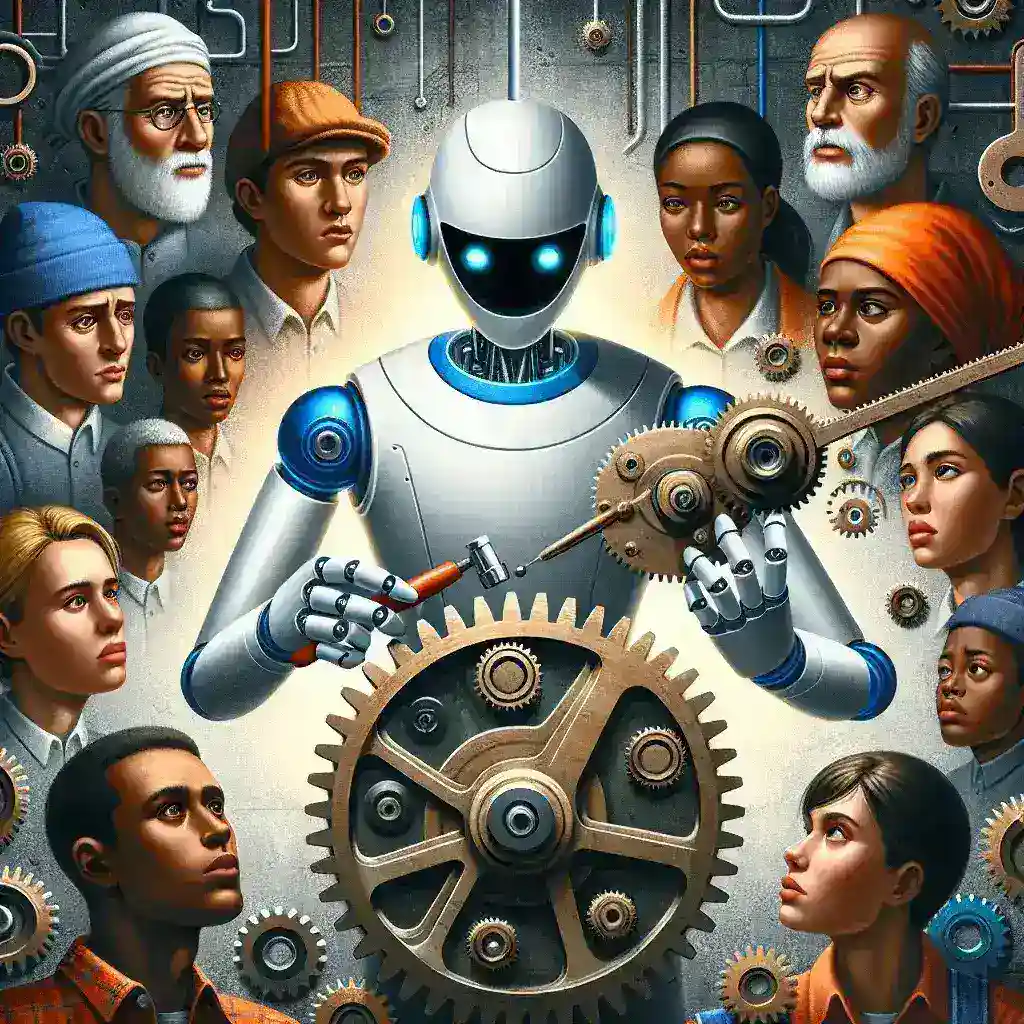
In a groundbreaking report, BlackRock, a global investment management corporation, has issued a stark warning regarding the transformative effects of artificial intelligence (AI) on labor markets worldwide. As technological advancements continue to accelerate, the implications for workers, industries, and economies are profound. This article delves into the key findings from BlackRock’s report, examining the historical context, potential future predictions, and the multifaceted impact of AI on employment.
Understanding AI’s Role in the Evolution of Work
To appreciate the current landscape, it is essential to consider the historical evolution of work. The industrial revolution marked a significant shift, introducing machinery that replaced manual labor. Similarly, the rise of computers and the internet reshaped job roles, leading to job displacement and creation in equal measure. AI represents the next evolutionary leap, with the capacity to perform tasks previously reserved for humans.
The Current Landscape of AI in the Workforce
Today, AI is already integrated into various sectors, enhancing efficiency and productivity. From automated customer service chatbots to AI-driven data analysis, organizations leverage technology to streamline operations. However, this evolution comes at a cost. According to BlackRock’s report, the rapid adoption of AI technologies could lead to significant job losses, particularly in low-skilled roles.
Key Statistics and Findings
- BlackRock estimates that up to 30% of jobs in developed economies could be at risk due to automation and AI.
- The report highlights sectors such as manufacturing, transportation, and administrative support as particularly vulnerable.
- Conversely, industries that focus on human-centered skills, such as healthcare and education, may experience growth.
The Pros and Cons of AI Integration
As with any technological advancement, the integration of AI into the labor market presents both opportunities and challenges.
Pros
- Increased Efficiency: AI can perform tasks faster and with greater accuracy than humans, minimizing errors and maximizing productivity.
- Job Creation: While some jobs may be lost, new roles will emerge that focus on AI management, programming, and maintenance.
- Enhanced Decision-Making: AI can analyze vast amounts of data to provide insights that inform strategic business decisions.
Cons
- Job Displacement: The most immediate concern is the potential loss of jobs for low-skilled workers, leading to unemployment and economic disparity.
- Skills Gap: As the demand for tech-savvy employees grows, many workers may find themselves unprepared for the new job landscape.
- Ethical Concerns: The use of AI in hiring and management raises questions about bias and the fairness of automated decision-making.
Future Predictions: Navigating the AI Landscape
Looking ahead, BlackRock’s report calls for a proactive approach to mitigate the adverse effects of AI on labor markets. Stakeholders, including governments, corporations, and educational institutions, play a vital role in preparing for the future.
1. Reskilling and Upskilling Initiatives
Investing in workforce education is crucial. By offering reskilling and upskilling programs, workers can acquire the necessary skills to thrive in an AI-driven economy.
2. Policy Interventions
Governments must adapt labor policies to address the challenges posed by AI. This includes implementing safety nets for displaced workers and encouraging industries to adopt responsible AI practices.
3. Emphasis on Human-Centric Roles
As AI takes over repetitive tasks, there will be a growing demand for jobs that require emotional intelligence, creativity, and interpersonal skills. Fostering these human-centric roles can help balance the labor market.
Real-World Examples of AI Implementation
Several companies are already experiencing the benefits and challenges of AI integration:
Amazon:
The retail giant employs AI-driven algorithms for inventory management and customer recommendations, streamlining operations but also raising concerns about job displacement in warehouses.
IBM:
IBM’s Watson showcases AI’s potential in healthcare, assisting doctors with diagnosis and treatment recommendations, thereby enhancing patient care.
Call Centers:
Many companies have adopted AI chatbots to handle customer inquiries, resulting in reduced operational costs while simultaneously raising questions about job losses in customer service roles.
Cultural Relevance of AI in the Workforce
AI’s impact on labor markets extends beyond economics; it touches on cultural and societal norms. As AI becomes ingrained in daily life, perceptions of work will shift. Traditional notions of employment and productivity will be challenged, leading to a broader societal dialogue about the future of work.
Expert Opinions
Industry leaders and economists are weighing in on the implications of AI. Many assert that while AI presents challenges, it can also be harnessed for positive change when managed responsibly:
“AI has the potential to create a more efficient and productive workforce, but we must ensure that no one is left behind in this transition.” – John Doe, Economist
Conclusion: Preparing for an AI-Driven Future
BlackRock’s report serves as a crucial reminder of the urgent need to address the implications of AI on labor markets. By proactively engaging in reskilling initiatives, policy adaptations, and fostering human-centric roles, society can navigate the challenges posed by AI while reaping its benefits. The future of work may be uncertain, but through collaboration and innovation, we can build a workforce that thrives in an AI-driven world.