
Introduction
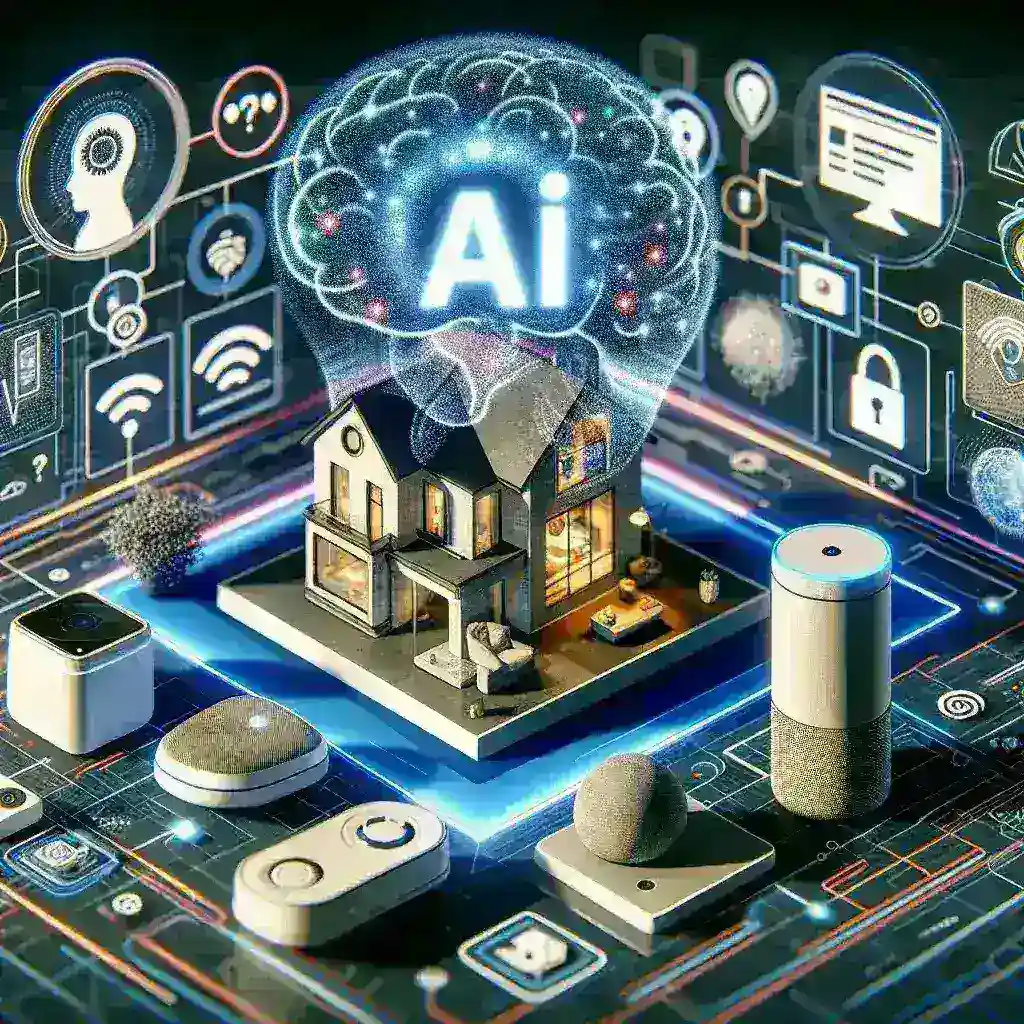
As technology continues to evolve at an unprecedented pace, artificial intelligence (AI) is becoming increasingly integrated into our daily lives, particularly within our homes. From smart speakers to security systems and home automation, AI tools are shaping how we interact with our living spaces. However, this rise of AI in domestic settings has sparked numerous debates concerning privacy, security, dependency, and ethical considerations. In this article, we will explore these debates, providing insight into both the advantages and disadvantages of implementing AI tools in our homes.
The Advantages of AI Tools in Homes
1. Increased Convenience
One of the most significant advantages that AI tools offer is convenience. Smart home devices can automate routine tasks, making our lives easier and more efficient. For instance, smart thermostats can adjust the temperature based on our preferences, while voice-activated assistants can help us manage our schedules, play music, or control other smart devices in our homes.
2. Enhanced Security
AI tools can also bolster home security. Smart cameras and alarm systems equipped with AI can detect unusual activity and alert homeowners in real-time. Moreover, facial recognition technology can identify familiar faces, helping to distinguish between friends and potential intruders. This level of surveillance provides an added sense of safety for families.
3. Energy Efficiency
AI tools can lead to significant energy savings. Smart home devices can monitor energy usage and suggest changes to reduce consumption. For example, smart lighting systems can automatically turn off when a room is unoccupied, reducing electricity waste and lowering utility bills.
The Disadvantages of AI Tools in Homes
1. Privacy Concerns
Despite their benefits, AI tools in homes raise serious privacy concerns. Many smart devices require constant internet connectivity and data collection to function optimally. This means that personal data, including voice recordings and usage patterns, can potentially be accessed by third parties. The question arises: how secure is this data, and who has access to it?
2. Security Vulnerabilities
While AI tools can improve security, they also introduce new vulnerabilities. Smart devices can be hacked, and if a hacker gains access to a home network, they can manipulate security systems or even invade privacy by accessing cameras and microphones. This duality poses a significant debate in the realm of home automation.
3. Dependency on Technology
Another debate surrounding AI tools in homes is the potential for dependency on technology. As we rely more on smart devices for everyday tasks, there is a risk of diminishing our ability to perform these tasks independently. For example, if a smart assistant is responsible for managing our schedules, we may lose track of time management skills.
Ethical Considerations
1. Bias in AI Algorithms
AI systems learn from data, and if this data is biased, it can lead to unfair outcomes. In a home setting, this could manifest in various ways, such as smart assistants misunderstanding commands due to language or accent biases. The ethical implications of biased AI tools are significant and warrant serious consideration.
2. Impact on Employment
The integration of AI tools into homes can also impact employment. With automation taking over tasks traditionally performed by humans, there is concern about job displacement. This debate extends beyond the household, affecting various industries and raising questions about the future of work.
Personal Anecdotes
Many families have shared experiences regarding their use of AI tools. For instance, a family might find that a smart thermostat not only saves them money but also creates a more comfortable living environment. Conversely, another family may express frustration over their smart assistant misunderstanding commands, leading to a lack of trust in the technology. These personal anecdotes help to illustrate both the advantages and disadvantages of AI tools in everyday life.
Future Predictions
Looking ahead, the debate surrounding AI tools in homes will likely intensify. As technology advances, we can expect AI tools to become even more integrated into our lives. However, with this advancement comes the responsibility to address the ethical, privacy, and security concerns associated with these technologies. It will be crucial for developers to prioritize user privacy and security while creating innovative solutions that enhance our everyday lives.
Conclusion
AI tools in homes present a complex landscape of benefits and challenges. While they offer convenience, enhanced security, and energy efficiency, they also raise significant debates regarding privacy, security vulnerabilities, and ethical considerations. As we embrace this technology, it is vital to navigate these debates thoughtfully, ensuring that the advantages of AI tools can be enjoyed without compromising our privacy and security. The journey towards integrating AI into our homes will continue to unfold, paving the way for a future where technology and human life are intricately intertwined.